Avoid fines for illegal rubbish dumping near Exhibition Road
Posted on 17/08/2026
![A large pile of mixed waste materials is shown in the foreground, consisting of fragmented and crumpled plastics, metal scraps, and broken electronic components. The waste appears to be discarded rubbish collected from various sources, with textures ranging from smooth, shiny plastic to rough, rusted metal surfaces. The colours in the pile include shades of black, grey, brown, green, and hints of orange and blue, reflecting different materials and contamination. The waste is loosely stacked, creating an uneven, jagged surface that dominates the lower half of the image. In the background, a cloudy sky dominates the upper portion of the image, providing a neutral, overcast atmosphere. The scene appears to be outdoors, possibly on an open site or waste management area, illustrating the type of accumulated rubbish that a professional waste removal service like those by [COMPANY_NAME] might handle in the context of alternative rubbish disposal or on-site clearance, supporting efforts to manage illegal dumping or bulk waste collection near urban areas such as South Kensington.](/pub/blogphoto/avoid-fines-for-illegal-rubbish-dumping-near-exhibition-road1.jpg)
Avoid fines for illegal rubbish dumping near Exhibition Road: a practical local guide
If you live, work, manage property, or run a project near Exhibition Road, rubbish can get complicated fast. One bag left beside a skip, a load put out too early, or a builder's pile dumped at the wrong time can turn into a fine, an awkward complaint, or a very unnecessary headache. The good news? Avoid fines for illegal rubbish dumping near Exhibition Road is mostly about getting the basics right, staying organised, and choosing the proper route for waste before it becomes someone else's problem.
This guide breaks down what illegal dumping means in practice, why the area around Exhibition Road deserves extra care, how to stay on the right side of local expectations, and what sensible disposal habits look like in real life. It is written for ordinary people, not compliance officers. So yes, it is practical. And yes, it will save you a bit of stress.
- Why this matters
- How the process works
- Benefits of doing it properly
- Who needs this guidance
- Step-by-step guidance
- Expert tips
- Common mistakes
- Tools and resources
- Law, compliance and best practice
- Options and comparison table
- Real-world example
- Practical checklist
- Conclusion
- Frequently asked questions
Why Avoid fines for illegal rubbish dumping near Exhibition Road Matters
Exhibition Road sits in one of London's busiest and most visible pockets. That matters because waste left out of place is not just messy; it is highly visible, often reported quickly, and more likely to trigger enforcement or neighbour complaints. In an area with museums, hotels, homes, restaurants, offices, and constant footfall, even a small mistake can stand out like a sore thumb.
Illegal dumping is broader than people sometimes think. It is not only someone abandoning a sofa on the pavement. It can also include putting waste out without permission, leaving trade waste where public bins are meant to be used, fly-tipping bags into back alleys, or using the wrong collection method for bulky items. That is where trouble begins. To be fair, many people do not set out to break rules. They are just in a rush, or they assume "someone will take it". Usually, that assumption is costly.
There is also the wider impact. Dumped rubbish attracts more dumped rubbish. It can block pavements, create trip hazards, draw pests, and make an area feel neglected. Near Exhibition Road, where presentation and public access matter, these problems escalate quickly. If you are a resident, landlord, tenant, business owner, event planner, or contractor, doing waste the right way protects your budget and your reputation at the same time.
Expert summary: The cheapest rubbish option is not always the safest. In busy central London streets, proper disposal is often the most cost-effective choice once you factor in fines, delays, complaints, and clean-up time.
How Avoid fines for illegal rubbish dumping near Exhibition Road Works
The basic idea is simple: identify your waste, separate anything reusable or recyclable, choose a lawful removal method, and ensure the rubbish is collected or deposited in line with the relevant local rules. That sounds obvious, I know. But most problems happen in the gaps between those steps.
Think of it like this. If you are clearing a flat, you first need to know whether you have furniture, electrical items, general household rubbish, garden waste, or construction debris. Each type may need a different route. For example, builders' waste is rarely handled the same way as a few black bags from a household clear-out. And if you are managing a business, office waste and trade waste need even more care because of duty-of-care expectations and proper documentation.
Near Exhibition Road, timing matters as well. Busy streets, restricted access, shared entrances, and narrow loading windows can all make a rushed disposal plan fail. That is why a calm, scheduled approach usually works better than a last-minute one. In practical terms, the best system is the one that matches the waste type, the volume, and the access conditions. Everything else is guesswork.
If you want a broader sense of the services that support organised disposal, the services overview is a sensible place to get your bearings. For people dealing with mixed household waste, the rubbish collection service in South Kensington is often the practical option. And if the job is bigger than a few bags, the waste removal service may fit better.
Key Benefits and Practical Advantages
Doing waste removal properly is not just about avoiding trouble. It also makes life easier, which is probably the part people care about most once the bins start overflowing.
- Less risk of fines or enforcement action. This is the obvious one, but it is still worth saying plainly.
- Cleaner kerbside presentation. That matters in a high-profile area where residents, visitors, and businesses share the same streets.
- Fewer complaints from neighbours or building management. A tidy entrance avoids a lot of awkward conversations.
- Better safety. Properly removed rubbish reduces trip hazards, pest issues, and blocked access routes.
- More predictable costs. A planned collection is usually easier to budget for than an emergency clean-up after a mistake.
- Improved sustainability. Sorting waste properly makes recycling and reuse much more realistic.
There is a quieter benefit too: peace of mind. When you know the waste is handled properly, you are not glancing at the pavement every hour wondering whether somebody will report it. That kind of background stress is annoying, and honestly, it lingers more than people expect.
If sustainability is part of your thinking, it may help to read about recycling and sustainability. And for heavier-duty jobs involving refurbishments or site clearance, the page on builders' waste disposal is worth a look.
Who This Is For and When It Makes Sense
This guidance is useful for anyone generating waste near Exhibition Road, but a few groups are especially at risk of making avoidable mistakes.
Residents and tenants
If you are moving out, clearing a flat, replacing furniture, or simply dealing with more rubbish than fits in regular bins, you need a plan. Tenants often assume a building porter, landlord, or council service will handle everything. Sometimes that is true. Often it is not.
Landlords and letting agents
Vacant properties, end-of-tenancy clearances, and left-behind items are classic problem areas. One ignored mattress or broken wardrobe can sit outside longer than it should and attract complaints very quickly.
Businesses and office managers
Offices near Exhibition Road may generate packaging, broken furniture, paper waste, and old equipment. That waste needs to go somewhere lawful, and it should not become a late-night curbside surprise.
Event organisers and venues
If you are planning anything from a private function to a larger event, you already know that rubbish piles up fast. Glass, cardboard, mixed packaging, catering waste, and temporary equipment all need a post-event plan. For that side of things, the article on waste removal advice for event planners is especially relevant.
Contractors and tradespeople
Builders and fit-out teams need tight control over rubble, timber, plasterboard, and packaging. It only takes one sloppy pile to create a complaint or delay. If you have ever watched dust and offcuts collect by the kerb at 4:30 p.m., you will know what I mean.
Step-by-Step Guidance
If you want to avoid fines and keep things calm, follow a simple process. Nothing fancy. Just disciplined.
- Identify the waste type. Separate general rubbish, recyclables, food waste, garden cuttings, bulky items, and builders' materials.
- Check who is responsible. In flats or managed buildings, responsibility may sit with the resident, landlord, or managing agent depending on the arrangement.
- Decide whether the waste can be reused, donated, recycled, or removed. This step can reduce volume and cost.
- Choose a lawful disposal method. That might be regular collection, a booked clearance, a trade waste solution, or a same-day service in urgent situations.
- Do not place waste outside early. Leaving bags on the pavement too soon is one of those tiny errors that can create disproportionate hassle.
- Keep access clear. Rubbish should never block pathways, entrances, or fire exits.
- Use proper containers and packaging. Loose material is more likely to spill, scatter, or be blamed on the wrong person.
- Get confirmation of collection details. Time, location, and what is being taken should be clear before anything is left out.
For smaller jobs, a standard collection may be enough. For larger or time-sensitive jobs, same-day support can be the difference between a tidy finish and a pile-up. If speed is the issue, the same-day rubbish removal availability in SW7 guide is useful background. You may also find the article on same-day rubbish collection options helpful if your situation is urgent but still manageable.
Expert Tips for Better Results
Here is where a little experience goes a long way. The right habits save time, money, and those deeply irritating phone calls that start with "I think the rubbish has been moved again."
- Book earlier than you think you need to. In busy central areas, waiting until the last minute rarely helps.
- Photograph the waste area before and after. Especially useful for landlords, agents, and contractors who need a record of what was left and when.
- Break bulky waste down where safe to do so. A dismantled wardrobe is often easier to move than a full one, and sometimes cheaper too.
- Keep mixed waste separate if you can. Sorted waste is easier to manage and may reduce the chance of rejection.
- Check building rules. Mews streets, managed blocks, and shared entrances often have tighter expectations than people realise.
- Leave a clear route for collection teams. It sounds minor. It is not. Access issues waste time fast.
One small but useful habit: write down the collection plan in a note or message thread. It sounds a bit over-cautious, but when the day gets hectic, that little record helps. And no, it is not glamorous. It just works.
If your waste is tied to a move or property change, the local articles on Gloucester Road rubbish removal tips for tenants in SW7 and rubbish collection on Cromwell Road offer practical local context.
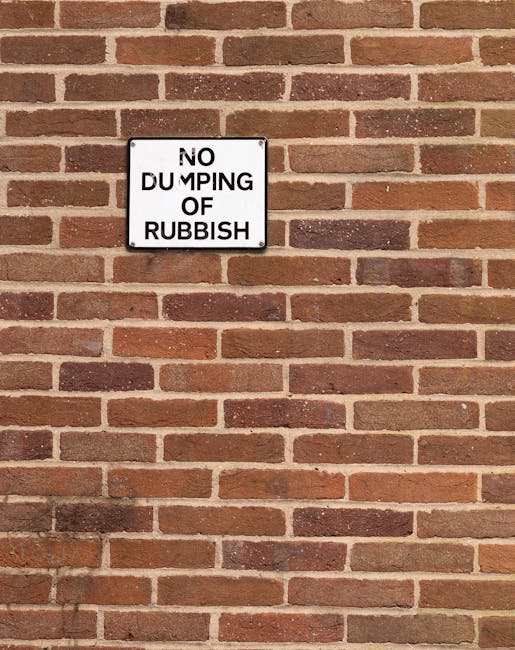
Common Mistakes to Avoid
Most fines and complaints start with one of a handful of familiar mistakes. The odd part is that they seem minor at the time.
- Leaving waste outside before the agreed collection window. Early placement is a classic trigger for complaints.
- Assuming bulky items are "obviously" someone else's job. Responsibility is not always as simple as people hope.
- Mixing builders' waste with household rubbish. That can create disposal problems and extra cost.
- Using unsuitable bags or weak packaging. Bags split. People stare. Nobody enjoys that.
- Blocking pavements or entrances. Even briefly, this can become a problem in busy stretches near Exhibition Road.
- Relying on informal arrangements. A quick favour from a neighbour or porter is not the same as a proper disposal plan.
- Ignoring delayed collections. If a pick-up slips, act quickly rather than hoping nobody notices.
A very common scenario goes like this: someone clears a flat on Friday evening, leaves bags out "for the morning", and by Saturday they have had a message from the building manager. Not ideal. But also not rare. A little caution at the start prevents the whole thing.
Tools, Resources and Recommendations
You do not need complicated systems to stay compliant, just the right few tools and a bit of order.
- Waste sorting bags or boxes. Useful for separating recyclables from general rubbish.
- A simple inventory list. Handy for clearances, especially when multiple rooms or departments are involved.
- Phone photos. Quick proof of what was present before removal.
- Building access notes. Essential if collections need a code, concierge approval, or timed entry.
- Collection schedule reminders. A basic calendar alert can prevent early set-outs and missed pickups.
For people comparing service levels, the pricing and quotes page can help you think through how different jobs are usually scoped. If you are worried about payment handling and getting things arranged securely, the payment and security information is useful, and the insurance and safety page gives a better sense of what a careful provider should cover.
For wider background on the company itself, the about us page is worth a quick skim. It is not essential reading, but it helps build trust, and trust matters when you are letting someone handle a skip-load's worth of your stuff.
Law, Compliance, Standards, or Best Practice
It is sensible to treat waste rules carefully in this part of London. While the exact enforcement response can vary by circumstance, the general expectations are straightforward: do not dump waste on public land, do not leave rubbish where it obstructs others, and make sure your waste is handled by the right route.
In the UK, the practical standard is a duty of care approach. In plain English, that means you should know what your waste is, where it is going, and who is handling it. If you are a business, the expectations are even stronger because commercial waste and trade waste need proper oversight. For homeowners and tenants, the principle is still the same, even if the paperwork is lighter.
Best practice around Exhibition Road usually means:
- keeping waste contained until collection;
- avoiding pavement obstruction;
- separating recyclable material where practical;
- booking collections that match the volume and type of waste;
- not using public space as a temporary storage area;
- staying aware of building and local authority instructions.
If you are not sure what category your waste falls into, pause before dumping it out. That pause is worth more than people think. A fast but wrong decision is how small problems become expensive ones.
For readers who want a local rules overview, the guide on Kensington and Chelsea council waste rules is the clearest companion article in this cluster.
Options, Methods, or Comparison Table
Different waste situations need different methods. Choosing the right one is half the battle.
| Method | Best for | Pros | Watch out for |
|---|---|---|---|
| Regular bin collection | Small household waste volumes | Simple and familiar | Not suitable for bulky or excessive rubbish |
| Booked rubbish collection | Mixed household loads and medium jobs | Convenient, organised, usually low stress | Needs good timing and access planning |
| House clearance | Moves, probate clear-outs, end-of-tenancy resets | Efficient for larger domestic jobs | Requires clear item lists and access details |
| Office clearance | Business furniture, equipment, paperwork waste | Useful for commercial spaces and relocations | May need more care around confidentiality and scheduling |
| Builders' waste removal | Renovations, refurbishments, site debris | Built for heavy and messy materials | Mixed skips and access restrictions can complicate things |
If you are unsure which route fits, choose the option that matches the waste type first, then the timing. Not the other way round. That one mistake creates most of the chaos.
Case Study or Real-World Example
Here is a simple real-world style example. A small design office near Exhibition Road finishes a refurb on a Thursday afternoon. There are packaging materials, two broken desks, some old monitors, and a bit of general waste from the fit-out team. The temptation is to leave everything outside after hours and deal with it tomorrow.
Instead, the manager does three things: separates the electronics, confirms what counts as office waste, books a proper collection, and leaves the items only at the agreed time with access instructions ready. The result? No blocked doorway, no awkward letter from the building, and no risk of the rubbish looking abandoned. Pretty dull, perhaps. But dull is good here.
A similar thing happens with flats. A tenant moving out on a Friday clears old furniture, bags up soft rubbish, and realises the pile is too big for the normal bin store. If they wait and scatter items near the pavement, they invite complaints. If they book a proper clearance, they close the chapter cleanly. One version is stressful. The other is just tidier. You can probably guess which one people prefer after a long move.
For jobs like this, a quick route through house clearance in South Kensington or office clearance in South Kensington can be a practical fix depending on the setting.
![A large pile of mixed waste materials is shown in the foreground, consisting of fragmented and crumpled plastics, metal scraps, and broken electronic components. The waste appears to be discarded rubbish collected from various sources, with textures ranging from smooth, shiny plastic to rough, rusted metal surfaces. The colours in the pile include shades of black, grey, brown, green, and hints of orange and blue, reflecting different materials and contamination. The waste is loosely stacked, creating an uneven, jagged surface that dominates the lower half of the image. In the background, a cloudy sky dominates the upper portion of the image, providing a neutral, overcast atmosphere. The scene appears to be outdoors, possibly on an open site or waste management area, illustrating the type of accumulated rubbish that a professional waste removal service like those by [COMPANY_NAME] might handle in the context of alternative rubbish disposal or on-site clearance, supporting efforts to manage illegal dumping or bulk waste collection near urban areas such as South Kensington.](/pub/blogphoto/avoid-fines-for-illegal-rubbish-dumping-near-exhibition-road3.jpg)
Practical Checklist
Use this quick checklist before any rubbish goes out near Exhibition Road:
- Have I identified the exact waste type?
- Do I know who is responsible for disposal?
- Have I separated recyclables, bulky items, and builders' waste?
- Is the collection method appropriate for the amount of rubbish?
- Do I have a confirmed collection time?
- Will the waste block walkways, doors, or access points?
- Are bags, boxes, or containers strong enough?
- Do I need photos or records for landlord, agent, or site files?
- Have I checked building rules or local instructions?
- Have I avoided putting anything out too early?
If you can tick those off, you are already in a much safer position than most people who get caught out. Simple as that.
Conclusion
Avoiding fines for illegal rubbish dumping near Exhibition Road is not about being perfect. It is about being sensible, planning a little ahead, and refusing to treat the pavement like a temporary storage cupboard. Once you know what type of waste you have and how it should be handled, the whole process becomes much less daunting.
For residents, businesses, landlords, and event organisers, the smartest move is usually to separate the waste, book the right collection, and keep the public space clear until pickup. That is the habit that protects you from complaints, keeps the area presentable, and makes life easier for everyone around you. In a busy part of London, that kind of care stands out in a good way.
Get a free quote today and see how much you can save.
And if all of this feels like a lot, that is fair enough. Waste problems often look bigger at the end of a long day. Take it one step at a time, keep it orderly, and you will usually be fine.

From a young age, Blair has cultivated a passion for order, which has now matured into a prosperous profession as a waste removal specialist. She derives satisfaction from transforming disorderly spaces into practical ones, aiding clients in conquering the burden of clutter.
 Tipper Van - Rubbish Collection and Commercial Waste Disposal Prices in South Kensington, SW7
 Luton Van - Rubbish Collection and Commercial Waste Disposal Prices in South Kensington, SW7