Gloucester Road rubbish removal tips for tenants in SW7
Posted on 15/05/2026
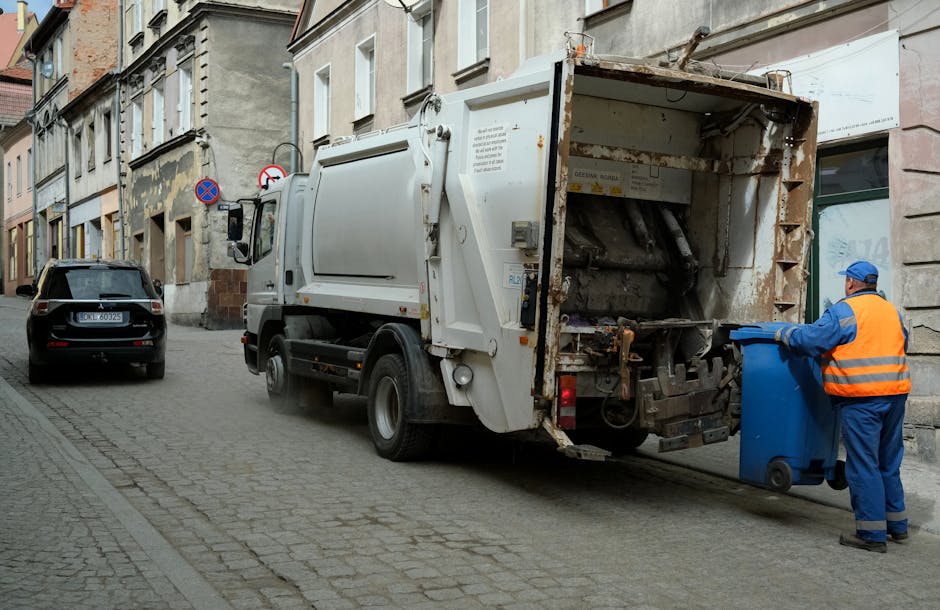
If you rent near Gloucester Road, rubbish has a habit of piling up at the worst possible moment. A move-out deadline is looming, the hallway is too narrow for a bulky wardrobe, and the bags by the door are starting to feel like a small monument to stress. Sound familiar? These Gloucester Road rubbish removal tips for tenants in SW7 are written for exactly that kind of week.
This guide focuses on the practical side of tenant waste removal in a busy London postcode: how to sort it, when to act, what to avoid, and when a professional collection makes more sense than another trip to the pavement. You will also find a simple step-by-step process, a checklist, a comparison table, and answers to the questions tenants usually ask when they need things gone quickly and properly.
Whether you are clearing a flat after a tenancy ends, replacing furniture, or just trying to stay on the right side of your landlord and neighbours, the aim is the same: remove rubbish neatly, legally, and without turning it into a weekend saga. Let's make it straightforward.
Table of Contents
- Why Gloucester Road rubbish removal tips for tenants in SW7 matters
- How Gloucester Road rubbish removal tips for tenants in SW7 works
- Key benefits and practical advantages
- Who this is for and when it makes sense
- Step-by-step guidance
- Expert tips for better results
- Common mistakes to avoid
- Tools, resources and recommendations
- Law, compliance, standards, or best practice
- Options, methods, or comparison table
- Case study or real-world example
- Practical checklist
- Conclusion
- Frequently asked questions
Why Gloucester Road rubbish removal tips for tenants in SW7 Matters
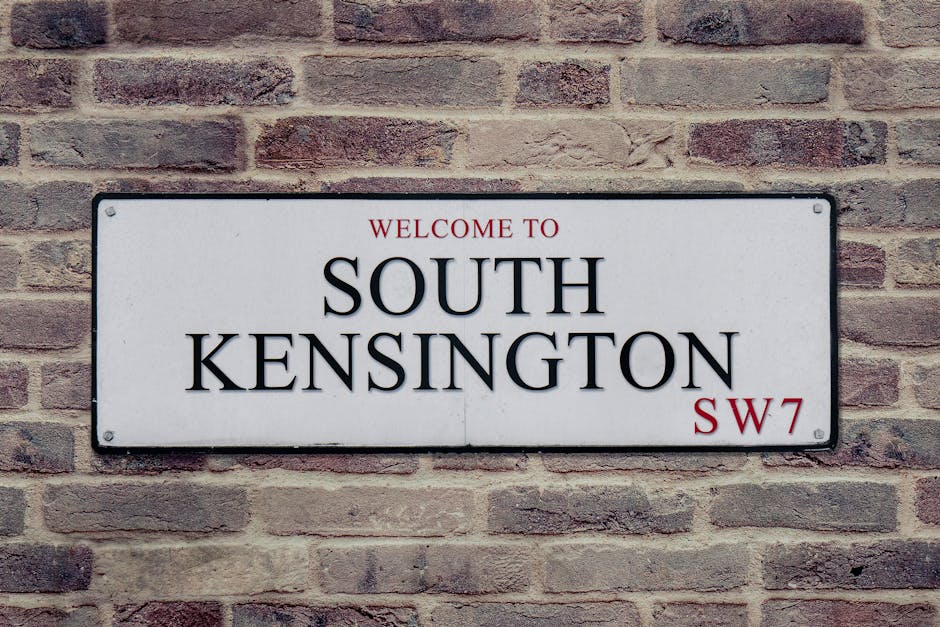
SW7 is a busy, tightly packed part of London, and Gloucester Road sits right in the middle of all that movement. For tenants, that creates a very specific challenge: rubbish removal has to be tidy, quick, and considerate. There is often limited storage, shared access, awkward stairwells, and very little patience from neighbours if bags sit out too long.
In a rental property, rubbish is not just a housekeeping issue. It can affect your deposit, your relationship with the landlord or managing agent, and the overall impression you leave at check-out. If you are moving between flats, refreshing furniture, or dealing with end-of-tenancy clutter, even small mistakes can become annoying fast. A pile of mixed waste in a communal area, for example, can cause complaints before you have even finished packing.
There is also the local context to think about. In areas like Kensington and South Kensington, residents tend to expect shared spaces to stay clean and orderly. That sounds obvious, but in practice it means tenants benefit from a plan rather than a last-minute clean-up. If you are also trying to understand the wider local service landscape, the services overview is a helpful place to get a sense of what different collection and clearance options usually cover.
Truth be told, rubbish becomes more expensive when it becomes urgent. Missed collection windows, blocked access, or mixed materials that need sorting later can all make the job more difficult than it needed to be. The smartest approach is usually simple: separate early, schedule carefully, and choose the right disposal route for the type of waste you actually have.
How Gloucester Road rubbish removal tips for tenants in SW7 Works
Tenant rubbish removal in Gloucester Road typically falls into one of three patterns. You might be dealing with everyday household waste, a partial flat clearance, or a more substantial move-out clean where furniture and mixed items need taking away together. Each one needs a slightly different approach, even if the goal is the same.
For smaller amounts, tenants often start by bagging up general waste, separating recyclable items, and taking what they can to local disposal points or the building's own bins if there is space. That works fine until the volume rises, or until you hit awkward items like broken shelving, mattresses, old office chairs, or boxes full of random wires and chargers. At that point, a structured collection becomes much easier.
A professional rubbish removal service usually works by assessing the load, giving a price based on the volume or type of waste, and collecting items from the property or nearby access point. This is especially useful in SW7 where parking, narrow entrances, and shared staircases can make a simple job more complicated than it first looks. If you need a broader waste solution rather than a one-off collection, a dedicated waste removal in South Kensington service can be a practical fit.
In some cases, tenants need a more specific service. For example, if you are clearing after a renovation, the load may include rubble, timber, packaging, and old fittings. That is a different job from kitchen clutter or wardrobe disposal, and it is worth looking at a specialised builders waste disposal South Kensington option rather than trying to treat everything as ordinary rubbish.
The basic working model is fairly simple: identify the waste, decide what stays and what goes, check access, and arrange collection at a sensible time. Not glamorous. But effective.
Key Benefits and Practical Advantages
Good rubbish removal is not only about getting rid of clutter. For tenants, the real value is in reducing friction. A flat feels calmer when there are fewer bags in the way. A move-out feels less chaotic when bulky items are already sorted. And a property inspection becomes much less stressful when you know you have handled waste properly.
Here are the main benefits tenants usually notice:
- Faster move-outs: less time waiting around for bins, missed lifts, or ad hoc disposal trips.
- Better use of space: especially useful in smaller SW7 flats where even one spare chair can dominate a room.
- Cleaner shared areas: keeping hallways and entrances clear avoids neighbour complaints.
- Lower risk of deposit disputes: leaving rubbish behind can be surprisingly costly in the long run.
- Less physical strain: no one enjoys carrying a heavy mattress down four flights of stairs on a damp evening.
- More recycling opportunities: items can often be separated sensibly instead of all ending up in one pile.
There is also the less obvious benefit of peace of mind. That matters. If you have ever spent an entire Sunday trying to work out whether a broken table counts as furniture waste, general waste, or something else entirely, you will know the feeling. It is tiring before the job even starts.
And if sustainability is part of your thinking, it helps to choose a provider with clear recycling habits. You can read more on the recycling and sustainability page, which is useful for tenants who want their waste handled responsibly rather than just quickly.
Who This Is For and When It Makes Sense
This guide is aimed at tenants in and around Gloucester Road, including people living in shared flats, studio apartments, converted townhouses, and managed rental blocks. It is especially relevant if you are dealing with one of these situations:
- end-of-tenancy clearance
- student or professional house share clean-up
- furniture replacement
- break-up of a household after a move
- post-renovation rubbish
- garden or outdoor area tidy-up, where applicable
It also makes sense if you are on a tight timetable. Tenants often underestimate how long it takes to dismantle furniture, bag loose waste, separate recycling, and find a disposal route that actually accepts everything. If the move is happening around work, or the flat is being handed back the next morning, a planned collection is often the calmer choice.
To be fair, not every clear-out needs a full service. If you only have a handful of bags and a few boxes, local bin arrangements may be enough. But once bulky waste enters the picture, or you have a mixture of materials, a more organised approach saves time and reduces hassle. For a more house-specific scenario, see the house clearance South Kensington page, which is useful when a tenant is also helping clear a larger property or shared home.
There is no prize for doing everything the hard way.
Step-by-Step Guidance
If you want the cleanest possible result, start with a simple process rather than improvising. Here is a tenant-friendly method that works well in real life.
- Walk through the flat and separate items by type. Put general waste, recycling, bulky items, and anything unusual into different groups.
- Check what can be reused or donated. A lamp, mirror, or side table in good condition should not be treated the same way as broken furniture.
- Measure or photograph bulky items. This helps if you need a quote or need to explain access issues, stair widths, or lift restrictions.
- Clear access routes. Hallways, landings, and doorways should be free of clutter before collection day. In a tight stairwell, this matters more than people think.
- Bag small waste securely. Loose items create mess and slow the job down.
- Keep separate anything hazardous or restricted. Batteries, paint, chemicals, and sharp materials may need special handling.
- Book the right collection window. Choose a time that fits your move-out, inspection, or delivery schedule.
- Confirm payment and collection details. Make sure everyone involved knows the access point, contact number, and any parking or permit concerns.
A tiny bit of planning goes a long way. One tenant near Gloucester Road once tried to clear a whole flat an hour before handing back the keys. The result was not catastrophic, but it was messy, noisy, and expensive in stress. Starting even one day earlier would have changed everything.
If your rubbish includes outdoor debris, plant cuttings, or bags of soil from a small courtyard or balcony, you may find a more specific garden waste removal South Kensington service more appropriate than general waste disposal.
Expert Tips for Better Results
The difference between a smooth clearance and a frustrating one is often in the details. Here are the kinds of things that experienced tenants, landlords, and local property managers tend to pay attention to.
1. Sort before the piles become bigger piles
Start sorting as soon as you know you are moving or clearing items. Mixed waste is always harder to handle later. A box of random cables, papers, and broken accessories can turn into a whole extra task if it is left until the last day.
2. Break down furniture where possible
Flat-pack furniture, shelving, and light tables can often be dismantled to save space. That said, do not spend an hour fighting a stubborn bolt if it is easier to have the piece removed whole. There is a balance here, and sometimes the smarter move is simply to stop wrestling with it.
3. Keep recycling clean and dry
Wet cardboard, food-stained packaging, and mixed materials are harder to recycle properly. If you can keep recyclables separate and dry, your waste is more likely to be handled efficiently.
4. Think about access before you book
On Gloucester Road, access can matter as much as the waste itself. Is there a lift? Is parking limited? Will the collection team need to carry items through a communal hallway? Mention it early. It saves awkward surprises on the day.
5. Use your tenancy paperwork wisely
Some tenancies and building managers have specific rules about rubbish, collection times, and shared bins. A quick glance at your agreement can prevent a small mistake from becoming a complaint. If you want a general sense of company policies and expectations, the terms and conditions page is useful background reading.
Small note, but important: if you are unsure whether something is allowed in the building bins, do not guess. Ask. A ten-second question can save a twenty-minute headache later. Sounds obvious, yet people still skip it.
Common Mistakes to Avoid
Most rubbish removal problems are not dramatic. They are small misjudgements that add up. Here are the ones tenants in SW7 run into most often.
- Leaving everything to the last day: this leads to rushed sorting, missed collections, and poor access.
- Mixing waste types: general rubbish, recycling, and bulky items should not be thrown together without thought.
- Ignoring building rules: communal properties often have strict expectations about noise, bin use, and shared space.
- Blocking corridors or exits: even briefly, this can create real inconvenience for neighbours.
- Underestimating bulky waste: a sofa or wardrobe is never just "one item" when you live on a upper floor with narrow stairs.
- Forgetting restricted materials: some items need special handling and should not be dumped with ordinary waste.
- Not checking the quote properly: make sure you know what is included before collection day.
There is also a psychological mistake: assuming a quick tidy is the same as a proper clearance. It rarely is. A room can look fine at a glance and still contain half the contents of a flat in drawers, under beds, and in the cupboard you swore was empty. Happens all the time.
Tools, Resources and Recommendations
You do not need specialist equipment to clear tenant rubbish well, but a few simple tools make the process much easier:
- strong bags or rubble sacks
- gloves for handling dusty or awkward items
- marker pens and labels for separating groups of waste
- tape or zip ties for bundling cables and light materials
- basic dismantling tools for furniture, if safe to use
- a phone camera for photographing bulky items and access points
In practical terms, the best resource is usually a service that understands the local area and the realities of London flats. A team used to tight staircases, controlled parking, and shared access is often much more useful than a generic option that does not really understand the setting. If you are comparing providers, the main rubbish collection South Kensington page can help you narrow the right type of collection for your situation.
If you are mainly looking for cost guidance before booking, the pricing and quotes page is a sensible place to start. It is always better to understand the quote structure early rather than make assumptions and hope for the best. Hope is not a pricing strategy, as they say.
For tenants who value trust and accountability, it can also help to review the company background via the about us page. That does not solve the rubbish problem by itself, of course, but it does help you feel more comfortable about who is entering the property and how the job is being handled.
Law, Compliance, Standards, or Best Practice
Waste disposal in the UK should always be treated carefully. Tenants do not need to become legal experts, but they do need to avoid careless dumping, fly-tipping, or leaving waste in ways that breach building rules or local expectations. The safest path is to use lawful disposal routes, keep records when needed, and only hand waste to reputable operators.
For mixed household waste, the usual best practice is straightforward: separate recyclables where possible, keep restricted items aside, and avoid leaving rubbish in communal areas unless that is specifically permitted and timed for collection. If you are unsure whether something is classed as bulky, hazardous, or special waste, ask before moving it. Batteries, paint, some electrical items, and chemical products often need extra care.
Landlords and managing agents may also have their own expectations. A tenancy agreement can include rules about end-of-tenancy cleaning, bin use, and damage to common parts. Those are not abstract clauses; they are the kind of details that can affect your deposit handover. As a tenant, it is wise to treat rubbish removal as part of the move-out process rather than an afterthought.
Safety matters too. If an item is heavy, sharp, or awkward to carry down stairs, do not try to force it alone. In many cases, the right option is simply to have it removed professionally. For reassurance on safe handling and operational standards, the insurance and safety page is worth a look.
For readers who care about responsible disposal, it is also sensible to choose companies that are transparent about recycling and wider waste practices. That way, your waste is not just disappearing; it is being handled in a way that feels more sensible and less wasteful. Which, frankly, is how it should be.
Options, Methods, or Comparison Table
Different situations call for different solutions. A quick comparison can help you decide which method fits your flat, timeline, and budget.
| Method | Best for | Pros | Limitations |
|---|---|---|---|
| Self-disposal | Small amounts of bagged waste or a few light items | Low cost, flexible, good for minor clear-outs | Time-consuming, physically demanding, awkward for bulky items |
| Building bins or local waste facilities | Routine household rubbish and approved recycling | Convenient for day-to-day waste | Not suitable for large furniture or mixed clearance jobs |
| Professional rubbish collection | Mixed loads, bulky waste, tight deadlines, move-outs | Fast, organised, less physical effort, better for access issues | Usually costs more than self-disposal |
| Specialist waste clearance | Builders waste, garden waste, or larger property clearances | Tailored handling, better for specific waste types | Needs the right service for the right job |
In a Gloucester Road flat, the decision often comes down to space and time rather than raw volume. A small amount of waste can be manageable. A sofa, broken shelving, and six bags of mixed clutter in a top-floor flat? That is usually a different conversation entirely.
Case Study or Real-World Example
Here is a realistic example based on the kind of situation tenants commonly face in SW7.
A couple in a one-bedroom flat near Gloucester Road were moving out at the end of their tenancy. They had a bed frame, a small wardrobe, a coffee table, packaging from new furniture, and several bags of mixed household waste. Nothing extreme, but enough to create pressure because the keys had to be handed back the next morning.
At first, they thought they could do it all themselves. Then the wardrobe turned out to be heavier than expected, the lift was booked by another resident, and the hallway started to look cluttered. That is the moment when a tidy plan matters most. They sorted the smaller bags, separated cardboard for recycling, took photos of the bulky pieces, and arranged a collection that suited their access and timetable.
The result was simple: the flat was cleared faster, the final walkthrough felt calmer, and they were not dragging heavy items through the building at the eleventh hour. Not magic. Just sensible planning.
If that sounds like your situation, you are not alone. Tenant clear-outs in Kensington rarely fail because the waste is impossible; they fail because the timing, access, or sorting is left too late.
Practical Checklist
Use this checklist before collection day or before you start carrying anything downstairs.
- Sort waste into general rubbish, recycling, bulky items, and special items
- Check your tenancy agreement and any building rules
- Confirm access details, lift use, and parking restrictions
- Measure or photograph bulky items
- Pack loose items into strong bags or boxes
- Remove personal documents and valuables first
- Set aside restricted items for separate handling
- Keep halls and doorways clear
- Book the collection for a realistic time window
- Review quote details so there are no surprises
Quick expert summary: if you keep the waste sorted, the access clear, and the booking realistic, most tenant rubbish removal jobs around Gloucester Road become much simpler than they first look. The stress usually comes from rushing, not from the rubbish itself.
Get a free quote today and see how much you can save.
Conclusion
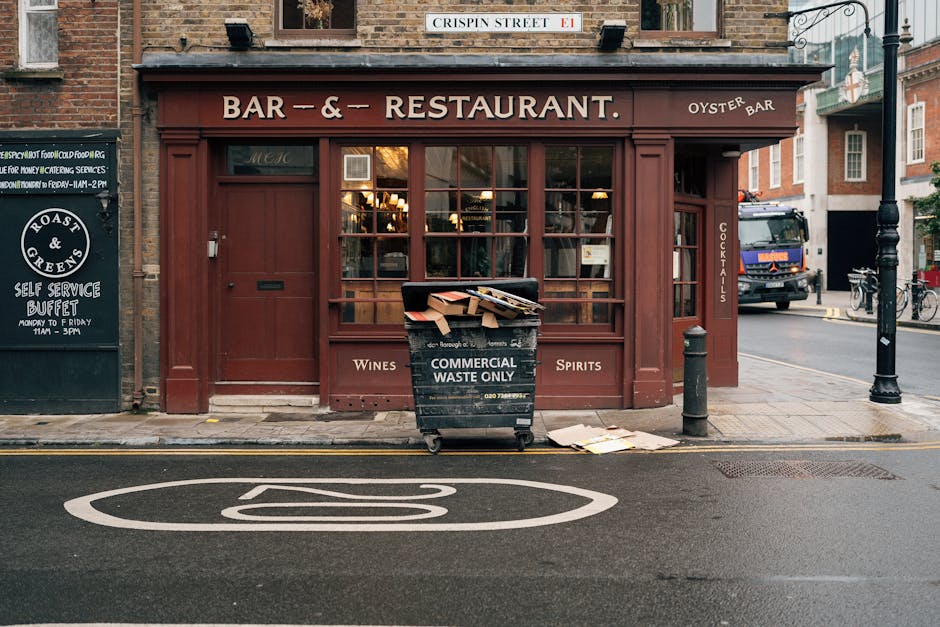
For tenants in SW7, rubbish removal is one of those tasks that looks small until it is sitting in the middle of your week. Around Gloucester Road, the best results usually come from simple habits: sort early, plan access carefully, respect building rules, and choose the right disposal method for the job in front of you.
If you are dealing with bulky items, tight timing, or a flat that feels slightly fuller than it should, do not leave it to chance. A structured collection can save time, reduce stress, and keep the move-out process tidy from start to finish. And honestly, there is something deeply satisfying about seeing a cluttered room become clear again.
One small job done properly can make the whole week feel lighter.

From a young age, Blair has cultivated a passion for order, which has now matured into a prosperous profession as a waste removal specialist. She derives satisfaction from transforming disorderly spaces into practical ones, aiding clients in conquering the burden of clutter.
 Tipper Van - Rubbish Collection and Commercial Waste Disposal Prices in South Kensington, SW7
 Luton Van - Rubbish Collection and Commercial Waste Disposal Prices in South Kensington, SW7