South Kensington guide to rubbish collection on Cromwell Road
Posted on 26/05/2026
If you live, work, manage a property, or run a business near Cromwell Road, rubbish has a way of becoming urgent at the worst possible moment. One day it is a couple of black bags and a broken chair, the next it is renovation debris, office clutter, or a back corridor that needs clearing before the morning rush. This South Kensington guide to rubbish collection on Cromwell Road is here to make that easier to handle, without the jargon or the vague advice that tends to waste your time.
Whether you are looking for a one-off collection, a regular waste plan, or help with bulky items that will not fit neatly into a council bin, the basics are the same: know what you need removed, understand the access on your street, and choose a service that handles the job properly. Simple in theory. Slightly messier in real life, as anyone on a busy London road can tell you.
This guide walks through how rubbish collection works in the area, what to watch for on Cromwell Road specifically, and how to avoid the common mistakes that lead to delays, extra cost, or unnecessary hassle. It also points you towards useful related resources such as rubbish collection in South Kensington, waste removal support in the local area, and the broader services overview if you want to compare options before booking.
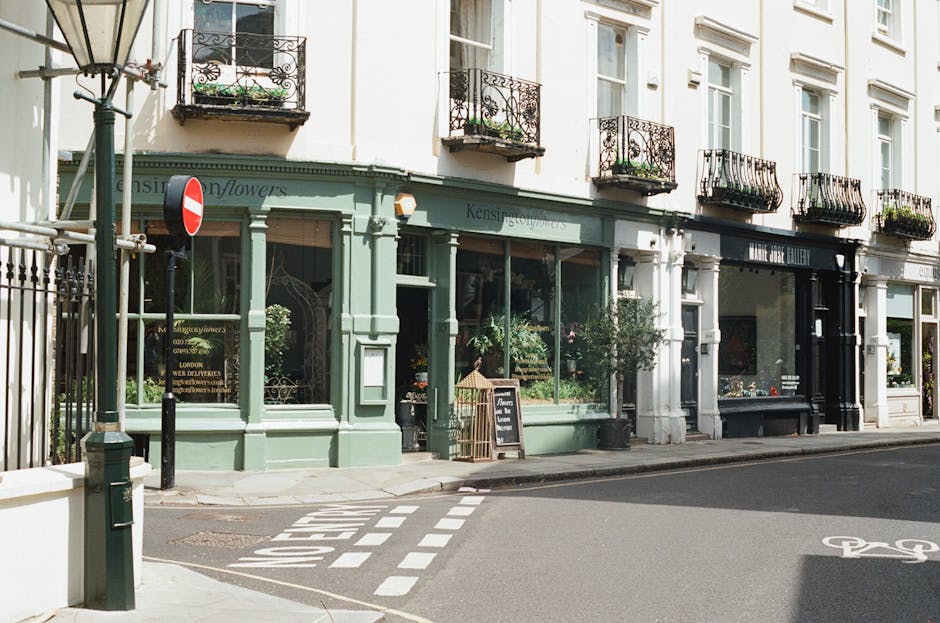
Why South Kensington guide to rubbish collection on Cromwell Road Matters
Cromwell Road is not the sort of place where waste can be left to chance. It is a major London route with a constant flow of traffic, deliveries, residents, visitors, contractors, and commercial activity. That creates a very specific rubbish challenge: waste needs to be removed neatly, safely, and at the right time, or it quickly becomes an obstruction rather than a background task.
For households, that might mean getting rid of furniture after a move, clearing packaging after a delivery spree, or dealing with end-of-tenancy waste. For offices and shops, it often means managing daily waste streams, old stock, or a sudden office refresh. For building work, the issue gets bigger fast. Dust, rubble, timber offcuts, plasterboard, and packaging can pile up surprisingly quickly. If you have ever watched a hallway disappear under bags, you know the feeling.
Local context matters too. South Kensington properties often have tighter access, shared entrances, basement storage areas, concierge requirements, or loading constraints. In practice, that means rubbish collection is as much about coordination as it is about removal. A good plan can save you multiple trips, reduce disruption to neighbours, and keep your building looking respectable. On a road like Cromwell Road, that is not a small detail.
There is also a trust factor. Not all waste is handled the same way, and not every operator offers the same level of care. If you want a cleaner route from problem to resolution, it helps to understand the service properly. For a broader view of how local providers structure their work, the about us page and the insurance and safety information are both worth checking before you book anything.
How South Kensington guide to rubbish collection on Cromwell Road Works
In straightforward terms, rubbish collection on Cromwell Road usually follows a simple sequence: identify the waste, agree the collection method, arrange access, and have the items removed by a licensed team or service that can dispose of them appropriately. That sounds basic, but the details decide whether the job goes smoothly or turns into a headache.
Most collections fall into one of a few patterns:
- Household clear-outs: old furniture, bagged waste, appliances, clutter, and mixed non-hazardous items.
- Commercial collections: office furniture, stock packaging, archive materials, display items, and general commercial rubbish.
- Builders' waste: rubble, wood, metal, plasterboard, tiles, and renovation debris.
- Specialised green waste: garden cuttings, soil, branches, and related outdoor waste.
The key difference on Cromwell Road is logistics. Access may be tight. Parking may be limited. You may need to work around deliveries, school runs, or the general London rhythm of everyone needing the same patch of kerb at once. To be fair, that is exactly why a good collection plan matters.
If you are managing a refurbishment or larger clear-out, it helps to align waste removal with the wider project schedule. One missed collection can slow everyone down. For example, a builder waiting to stack waste safely, or an office team trying to reopen a floor, needs the debris gone on time. If that sounds like your situation, the dedicated builders' waste disposal in South Kensington page is a useful next stop.
For smaller household or mixed loads, local rubbish collection is often the most convenient route. If the waste is bulky, awkward, or too much for a normal bin collection, a professional service can usually take care of loading, transport, and disposal in one visit. That is the real value: less sorting around, less lifting, fewer return trips, and much less faff.
Key Benefits and Practical Advantages
Good rubbish collection is not just about getting rid of junk. It solves a bunch of practical problems at once, and on a busy street like Cromwell Road that matters more than people often realise.
First, it saves time. Anyone who has tried to break down a sofa in a narrow hallway knows that waste removal can become a half-day event. A proper collection service can cut that right back.
Second, it improves safety. Bags left by doorways, loose timber in communal areas, or stacked boxes in a shared entrance can quickly become trip hazards. If children, older residents, cleaners, or contractors are using the space, that risk is not worth carrying.
Third, it helps with presentation. South Kensington has a well-kept, high-visibility feel, and Cromwell Road is one of those stretches where first impressions count. A tidy frontage, clear walkway, and clean loading area reflect well on a home, shop, office, or rental property.
Fourth, it supports better disposal outcomes. Responsible waste handling usually means items are sorted for reuse, recycling, or appropriate disposal where possible. If sustainability matters to you, take a look at the local recycling and sustainability guidance. It is a small move, but it helps shape better habits over time.
Fifth, it reduces neighbour friction. This one gets overlooked. A quiet, tidy collection that does not block the pavement or leave waste hanging around for hours is simply easier on everyone. And let's face it, nobody enjoys a weekend argument over the shared bin area.
| Benefit | What it means in practice | Why it matters on Cromwell Road |
|---|---|---|
| Speed | Waste is removed in one planned visit | Less disruption on a busy, traffic-heavy road |
| Safety | Items are handled and loaded professionally | Fewer trip hazards in shared or narrow spaces |
| Convenience | No need to hire a van or make multiple trips | Useful where parking and access are limited |
| Responsibility | Waste can be separated and handled appropriately | Supports better environmental practice |
Who This Is For and When It Makes Sense
This guide is relevant to a few different people, and the job usually looks a bit different for each one.
Homeowners and tenants often need collection after moving house, replacing furniture, or clearing out an overflowing spare room. In South Kensington flats, especially, storage space is at a premium. A couple of "I'll deal with that later" boxes can become a whole room before you know it.
Landlords and letting agents need a reliable way to reset a property between tenancies. That can include old curtains, damaged furniture, rubbish left behind, and general end-of-tenancy clutter. If you are in that position, house clearance in South Kensington can be a practical option when the property needs a fuller clear-out.
Office managers and business owners may need rubbish collection after a relocation, renovation, fit-out, or desk refresh. Old monitors, filing cabinets, packaging, and worn chairs can accumulate quickly, especially if procurement decisions have outpaced disposal planning. For those cases, office clearance in South Kensington is often the better route than trying to deal with everything item by item.
Contractors and tradespeople need builders' waste removed without slowing the project down. And garden owners, surprisingly often forgotten in urban London, may need help after pruning, landscaping, or seasonal cutbacks. If that is you, garden waste removal in South Kensington is the relevant service to look at.
So when does it make sense to book a collection rather than manage it yourself? Usually when the load is bulky, mixed, time-sensitive, hard to transport, or awkward to dispose of legally and safely. If your rubbish can be handled quickly without multiple vehicle trips, your own time is worth considering too. People forget that part all the time.
Step-by-Step Guidance
If you want rubbish collection on Cromwell Road to go smoothly, a little planning goes a long way. Here is a practical way to handle it.
- Sort the waste into broad categories. Separate general rubbish, recyclables, bulky items, and anything that may need special handling. You do not need to become a waste expert overnight, just be clear about what is there.
- Check access at the property. Note stairwells, lift availability, basement entrances, parking restrictions, loading bays, and any concierge rules. On Cromwell Road, that step can save a lot of wasted time.
- Estimate volume honestly. A small pile of bags can become a surprisingly large collection once furniture is added. If in doubt, take a few photos and be realistic about the size.
- Identify any awkward items early. Mattresses, fridges, electricals, paint tins, rubble, and mixed construction debris may need specific handling or pricing considerations.
- Choose the right service type. A general rubbish collection may suit everyday clutter, while a fuller clearance or specialist builders' waste service makes more sense for larger or mixed loads.
- Confirm timing and collection route. Decide when the items will be ready, where they will be placed, and how the team will access them without blocking neighbours or traffic.
- Ask how disposal is handled. Responsible providers should be able to explain the basics of sorting, recycling, and lawful disposal in plain language.
A useful habit: clear the path before the collection team arrives. It sounds obvious, but many delays come from small things like a locked gate, a blocked corridor, or a "just one more box" situation. We have all seen it. One box becomes three. Then the kettle gets moved. Then the hall is chaos.
If your collection is being arranged around a wider project, it can also help to align with the service standards outlined in the pricing and quotes page so you know what to expect before confirming anything.
Expert Tips for Better Results
There are a few small decisions that make rubbish collection easier, cleaner, and usually cheaper in practice. Not glamorous, but useful.
1. Photograph the waste before booking. A couple of clear photos from different angles can make pricing and planning more accurate. It also reduces misunderstandings. A good picture beats a vague description every time.
2. Stack items sensibly. If it is safe to do so, group similar items together before collection. Bags with bags, furniture with furniture, recyclables with recyclables. It makes loading quicker and reduces the chance of damage in tight shared areas.
3. Separate out anything reusable. Some items that look like rubbish may actually be suitable for reuse, donation, or resale. That old desk lamp may not be glamorous, but someone else might be perfectly happy with it. Oddly enough, one person's clutter is another person's cheap win.
4. Check the building rules early. Many South Kensington properties have quiet hours, concierge procedures, or shared-access expectations. A five-minute check can prevent an awkward knock on the neighbour's door later.
5. Plan around busy times. On a road like Cromwell Road, mornings and peak traffic periods can complicate loading. If your collection window is flexible, a slightly calmer slot may make the whole process smoother.
6. Use a provider that prioritises transparency. Clear communication about what is included, what counts as additional waste, and how payment works is worth its weight in gold. For a service that places a strong emphasis on trust, review payment and security before finalising your booking.
7. Ask about recycling routes. It is perfectly fair to want your waste handled responsibly. The better the provider, the more confidently they can explain where different waste streams go.

Common Mistakes to Avoid
Most rubbish collection problems are avoidable. Not all of them, but most. Here are the ones that show up again and again.
- Underestimating the volume. This is the classic one. A room "almost empty" turns out to be a much larger collection once the furniture and packaging are added.
- Mixing everything together without thinking. If you throw electricals, rubble, and general waste into one vague pile, the collection becomes harder to manage and less efficient.
- Forgetting access issues. Narrow staircases, parking restrictions, lifts that do not quite fit, and locked communal doors can all delay the job.
- Leaving waste outside too early. This can create safety issues, attract attention, and in some cases breach building or local expectations. Timing matters.
- Not asking about restrictions for certain materials. Some waste needs special handling. It is better to ask before collection day than be told at the kerbside that a particular item cannot be taken as planned.
- Choosing on price alone. Cheap is not always cheap once you add missed appointments, poor communication, or unclear disposal methods.
There is also a softer mistake: assuming rubbish collection is a low-value task that does not deserve proper planning. Truth be told, the opposite is usually true. Good waste handling keeps a property functioning. Bad waste handling quietly ruins the day.
Tools, Resources and Recommendations
You do not need a complicated toolkit to manage rubbish collection well, but a few simple resources help a lot.
- Phone camera: useful for documenting waste before collection and sharing clear images when requesting a quote.
- Measuring tape: handy for bulky furniture, appliances, or awkward objects that need space planning.
- Labels or marker pens: good for sorting items into keep, recycle, donate, and remove.
- Access notes: write down gate codes, loading points, lift details, or concierge instructions before the team arrives.
- Protective gloves and sturdy bags: sensible for basic sorting, especially when handling dusty loft items or broken packaging.
For readers comparing service types, the site's waste removal page is a practical starting point, while the services overview helps clarify what is available across different waste scenarios. If your need is more property-focused, the local blog articles on Kensington living and shopping in Kensington also give a useful sense of the area's rhythm and expectations.
One small recommendation that often gets overlooked: keep a note of what was removed. For landlords, agents, and businesses, that record can help with handovers, void management, or internal housekeeping later on. Not exciting. Very useful.
Law, Compliance, Standards, or Best Practice
Rubbish collection may feel like a straightforward practical task, but it still sits within wider expectations around lawful disposal, safe handling, and responsible business practice. The exact rules can vary depending on the waste type and the provider, so it is wise not to assume everything is interchangeable.
At a general level, good practice usually includes:
- using a service that handles waste through proper channels;
- keeping hazardous or specialist items separate where required;
- protecting shared spaces from damage during removal;
- being clear about what is being collected;
- checking that the provider has the appropriate insurance and operating standards.
If you are arranging collection for a business, office, rental property, or building project, it is sensible to ask a few direct questions. Who is responsible for loading? How is mixed waste handled? What happens to recyclable materials? What should not be included? A professional provider should answer without sounding defensive. If they cannot, that tells you something.
The local insurance and safety page is useful for understanding how a reputable operator thinks about risk. And if you care about broader ethical standards in the supply chain, the modern slavery statement is another sign that the business takes its responsibilities seriously.
For readers who want to stay on the right side of building management or landlord obligations, the safest approach is simple: document what is removed, confirm the collection details in writing, and avoid leaving unclear waste in shared areas. It saves arguments. It really does.
Options, Methods, or Comparison Table
There is more than one way to handle rubbish on Cromwell Road. The right method depends on volume, timing, access, and how hands-on you want to be.
| Method | Best for | Pros | Watch-outs |
|---|---|---|---|
| Self-disposal | Very small loads and straightforward trips | Direct control, potentially cheap for tiny jobs | Time-consuming, parking and transport issues, lifting burden |
| General rubbish collection | Mixed household or light commercial waste | Fast, convenient, less disruption | May not suit specialist or heavy materials |
| House clearance | Full property resets, end-of-tenancy clear-outs, inherited homes | Covers a lot in one visit, useful for larger volumes | Needs clear briefing and access planning |
| Office clearance | Workspace moves, refurbishments, redundant furniture | Helps keep business disruption low | May need coordination with building management |
| Builders' waste disposal | Renovation debris and heavier site waste | Better suited to construction materials | Often requires more precise categorisation |
If you are unsure which route fits best, think about one question: is this a simple tidy-up, or does it involve a proper clear-out? If the answer is the second one, a dedicated service is usually the smarter option. For some properties, the decision is obvious by the time you reach the hallway.
Case Study or Real-World Example
Imagine a South Kensington flat just off Cromwell Road where the tenants have moved out, leaving behind a sofa, several bags of mixed rubbish, a broken desk, and a stack of flattened packaging from new furniture. The managing agent wants the property ready for viewings by the end of the week. The hallway is narrow, there is limited loading space, and the building has shared access.
In a situation like that, the best outcome usually comes from a short but organised plan:
- photograph the waste in advance;
- separate obvious recyclables from general rubbish;
- confirm access arrangements with the building;
- book a collection slot that avoids the busiest times;
- clear the path from the flat to the exit before the team arrives.
That kind of preparation turns a messy end-of-tenancy problem into a manageable afternoon job. Without it, you can end up with a trail of half-moved items, awkward delays, and someone muttering in the background about where the keys went. Not ideal.
A similar pattern applies to office moves and light refurbishments. Once the waste is treated as part of the project, rather than an afterthought, the whole operation runs more smoothly. That is the quiet trick most people only learn after one or two awkward experiences.
Practical Checklist
Use this checklist before your collection day. It keeps things simple.
- Sort waste into broad categories.
- Check whether any items need special handling.
- Measure bulky items if space is tight.
- Take clear photos of the load.
- Confirm access details for Cromwell Road and the property entrance.
- Make sure parking or loading arrangements are understood.
- Remove anything you want to keep or donate.
- Ask how recycling and disposal will be handled.
- Clear hallways, lifts, or shared areas before arrival.
- Keep booking details, contact numbers, and any notes to hand.
If you can tick most of those off, you are in good shape. If not, no panic. Just fix the gaps before collection day and you will avoid the usual stress.
Conclusion
Rubbish collection on Cromwell Road is not complicated once you break it into the right pieces. Understand your waste, plan the access, choose the right service, and keep an eye on safety and disposal standards. That is the core of it. Everything else is detail, useful detail, but still detail.
In South Kensington, where streets are busy, buildings are often tightly managed, and presentation matters, a good waste collection plan can make a noticeable difference. It saves time, keeps spaces safer, and helps properties stay calm and usable instead of cluttered and stressful. And really, that is what most people want: a clean result, handled properly, with no drama.
If you are comparing options, start with the relevant local service pages and move from there. A bit of clarity now can save a lot of running around later.
Get a free quote today and see how much you can save.
And if you are still weighing up the best route, the right answer is usually the one that makes your space feel lighter, safer, and easier to live or work in. That counts for a lot.

From a young age, Blair has cultivated a passion for order, which has now matured into a prosperous profession as a waste removal specialist. She derives satisfaction from transforming disorderly spaces into practical ones, aiding clients in conquering the burden of clutter.
 Tipper Van - Rubbish Collection and Commercial Waste Disposal Prices in South Kensington, SW7
 Luton Van - Rubbish Collection and Commercial Waste Disposal Prices in South Kensington, SW7