Delays in block clearances how to prevent rubbish piling up
Posted on 12/06/2026
If you manage a block, live in a shared building, or look after a portfolio of flats, you will know how fast waste becomes a problem when collection plans slip. One missed slot turns into bags in the hallway, cardboard leaning by the bin store, and that awkward moment when everyone starts blaming everyone else. This guide on Delays in block clearances how to prevent rubbish piling up is here to help you stay ahead of the mess, reduce complaints, and keep communal areas usable while you sort the clearance properly.
The good news? Most piling-up issues are preventable with a few simple systems, clear communication, and a backup plan for the days when things do not go to schedule. Let's face it, block clearances rarely fail for one dramatic reason. It is usually a chain of little delays. A contractor runs late. Residents were not told in time. Large items were left out too early. Then the corridor starts looking like a temporary storage unit. Not ideal.
In this article, you will find practical steps, a realistic process, a comparison of options, and a checklist you can actually use. If you want the broader service picture first, it may also help to review the services overview and the page on waste removal support in South Kensington before you plan your next clearance.

Why Delays in block clearances how to prevent rubbish piling up Matters
Block clearances are different from clearing a single home. You are dealing with shared access, multiple residents, building managers, lift bookings, neighbours, parking constraints, and often a narrow time window. If one part slips, the impact spreads quickly. Rubbish that was meant to be removed in one neat sweep can sit for days, and in a shared building that creates visible and practical problems very quickly.
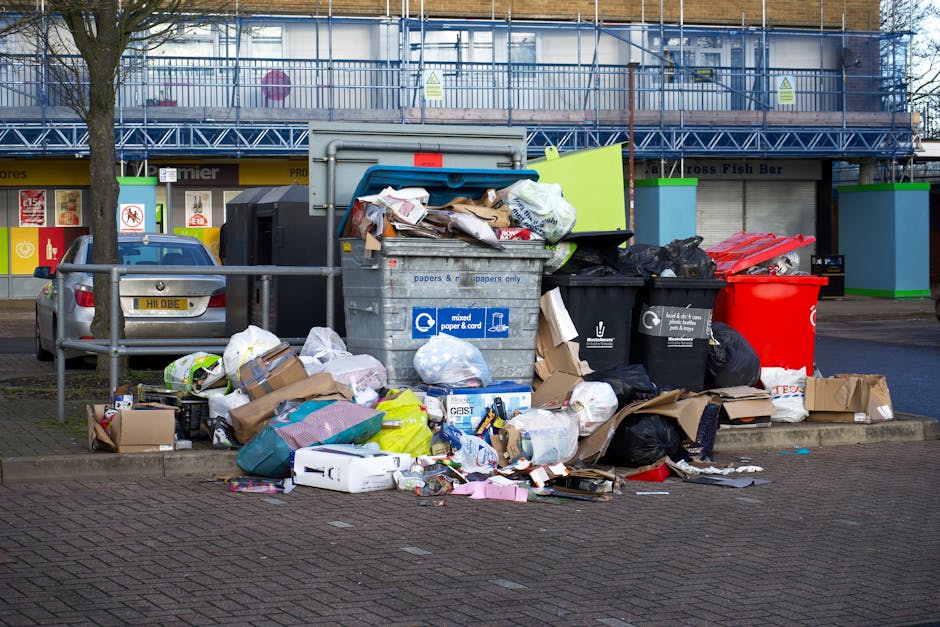
The obvious issue is appearance. Overflowing bin areas make a building feel neglected. But there is more to it than that. Delays can create fire risks in escape routes, attract pests, block access for cleaners or maintenance staff, and trigger complaints from residents who did not generate the waste in the first place. A little pile at 9 a.m. can become a larger, smellier problem by evening, especially in warmer weather or after bulky furniture has been left in place.
There is also a knock-on effect on trust. Once residents or leaseholders see clearances slipping, they start to assume the building team is reactive rather than organised. That can be hard to reverse. In our experience, people tolerate a lot more when they can see a plan. Silence, on the other hand, makes every delay feel bigger than it is.
Expert summary: The best way to stop rubbish piling up during block clearances is to treat the job as a sequence, not a single collection event. Build in communication, staging, and a backup removal route before anything is placed in communal space.
For shared buildings in busy parts of London, this matters even more. Tight streets, loading restrictions, and access bottlenecks can turn a simple collection into a timing puzzle. If your block sits near a busy road or mixed-use stretch, you may find the local guidance in the Cromwell Road rubbish collection guide useful as a practical reference.
How Delays in block clearances how to prevent rubbish piling up Works
To prevent waste building up, it helps to understand where the delay usually starts. Block clearances are rarely delayed at the actual moment of lifting bags into the vehicle. The problem usually begins earlier.
First comes planning. Someone estimates what needs clearing, but the volume is slightly off. Then access details arrive late, or a resident adds extra items after the booking is made. On the day, the team may have to wait for lift access, parking space, or a cleaner to finish. If the clearance company cannot remove everything in one visit, items can be left behind. That is where clutter begins to accumulate.
Another common issue is mixed waste. If recyclables, general rubbish, bulky furniture, and builders' debris are all dumped together, the clearance can take longer because sorting has to happen on site. That slows the whole process and increases the chance that some material gets postponed to a later collection. The same thing happens when residents leave items in the wrong area, such as a stairwell, fire exit, or plant room rather than the agreed drop point.
In practical terms, prevention means creating a narrow, controlled window between "ready for clearance" and "physically removed." The shorter that window, the less chance rubbish has to spread. Sounds simple. It is, but only if everyone follows the same plan.
The basic workflow that works best
- Confirm what is being removed and what stays.
- Set a single, clearly marked staging area.
- Tell residents or occupants exactly when to place items out.
- Keep access clear for the clearance team.
- Remove priority waste first, then bulky or awkward items.
- Check the area immediately after collection for stragglers.
The most efficient teams tend to think in stages: pre-clearance, active clearance, and post-clearance sweep. That last sweep is often forgotten, which is a shame because it catches loose packaging, damaged bags, and the odd chair leg that somehow survives the main collection. Humans, honestly.
Key Benefits and Practical Advantages
Getting ahead of clearance delays is not just about tidiness. It gives you real operational advantages that can save time and reduce conflict.
- Less disruption for residents: Hallways, bin stores, and entrance areas stay usable.
- Lower complaint risk: Fewer people chasing management about smells, flies, blocked access, or unsightly piles.
- Better safety: Clear routes reduce trip hazards and avoid waste blocking exits or service areas.
- Cleaner handovers: This matters in blocks with incoming tenants, sales, refurbishments, or end-of-project sign-off.
- Faster clearance completion: When access, timing, and waste streams are organised, the team can work in one pass rather than several.
- Improved recycling outcomes: Segregating items early usually makes it easier to divert reusable or recyclable material.
There is a quieter benefit too: peace of mind. Once a building has a reliable system, people stop hovering over the bin store wondering what is happening next. That calm is worth quite a lot.
If your block clearance is part of a wider cleanout, such as an office move or landlord changeover, it may also help to compare the planning approach used in office clearance in South Kensington and house clearance support. The principles are similar: stage early, separate waste types, and keep the removal window tight.
Who This Is For and When It Makes Sense
This topic matters to more people than you might think. It is not just for building managers with clipboard energy and a long list of keys. It is also for anyone who shares a building and wants the place to stay liveable while clearance is happening.
You will benefit most if you are:
- a property manager or estate manager coordinating a block-wide cleanout
- a freeholder or leaseholder dealing with communal waste issues
- a resident representative trying to organise a fair, simple process
- a landlord preparing a building between tenancies
- a cleaner, caretaker, or concierge handling day-to-day access
- a contractor clearing out materials after works in a shared space
It also makes sense whenever the clearance includes bulky items, mixed materials, or a building with limited loading access. In fact, the more awkward the access, the more useful the planning becomes. A mews property, a mansion block with a narrow stairwell, or a building with one small lift can go from manageable to messy very fast if the timing slips.
For blocks near busy shopping or event areas, timing becomes even more important. A large collection near a commercial stretch can clash with footfall, deliveries, or venue traffic. If that sounds familiar, the article on same-day rubbish collection options on Kensington High Street gives a good sense of how timing can shape the whole job.
Step-by-Step Guidance
Here is the most practical way to stop rubbish piling up when block clearance dates move, change, or get delayed.
1. Audit what needs clearing before you book anything
Walk the building. Check bin stores, storage cupboards, basement areas, external corners, service rooms, and any flat or office being cleared. A quick visual sweep is rarely enough. Open the cupboards. Look behind stacked items. It is amazing how often old packaging, broken stools, or loose bags are tucked away somewhere "temporary".
Make three lists: must go now, can wait, and needs special handling. That simple triage can prevent a lot of rework later.
2. Set a realistic collection window
Do not plan the clearance as if everything will vanish in ten minutes. Build in arrival time, access time, sorting time, and a small buffer for unexpected obstacles. If the block has parking controls or lift bookings, allow extra room. It is better to have a slightly longer window than to force people to leave items in the hallway because the team has already gone.
3. Create one staging point
Choose one place where waste can be placed safely and legally before removal. This reduces confusion and makes it obvious whether the area is ready for clearance. Mark it clearly. A simple printed notice works better than a vague "leave it near the bins" instruction, which, as you can imagine, often turns into a bit of a free-for-all.
4. Separate waste streams early
Cardboard, furniture, general rubbish, garden cuttings, and construction debris should not all be mixed together. Separation saves time, supports recycling, and makes it easier to spot items that need extra care. For building works, the builders' waste disposal guidance can be especially helpful because construction waste has its own practical complications.
5. Notify residents properly
Tell people what is happening, where to leave items, when to leave them, and what not to leave out early. Keep the message short and specific. If the clearance is delayed, send a follow-up update immediately. That one message can prevent three separate complaints and a lot of grumbling in the lift.
6. Check the area after collection
A final sweep catches leftovers before they become the next problem. Loose polystyrene, broken bag handles, and small objects often survive the main clearance. If you leave them, they set the tone for the next day and make the area feel half-finished.
7. Set a fallback plan for missed slots
If the first collection cannot happen, know what happens next. Where will items be stored safely overnight? Who will lock the area? Who will send the update? If the answer to any of those is "not sure", you have found a weak point.
Expert Tips for Better Results
After seeing a lot of shared-building clearances, a few habits consistently make the difference.
- Do the communication twice: once before the clearance, once the day before. People forget.
- Use photos: a picture of the approved staging area avoids confusion far better than a paragraph of text.
- Keep bulky items flat if possible: broken down furniture is easier to move and less likely to sit around "just for now".
- Schedule the most visible items first: the longer a sofa or mattress sits by the entrance, the worse the building feels.
- Leave room for access: don't block bins, meters, or fire doors while waiting for collection.
- Have one named coordinator: too many voices creates drift. One point of contact keeps things moving.
One small but useful trick: use a simple "do not add after this time" rule. It sounds strict, but it stops the classic late-night drop-off of one extra bag, then another, then somehow a broken fan. By morning, it has become everyone's problem.
If recycling is part of the plan, review the recycling and sustainability approach so the block does not accidentally send everything into general waste just because the process was rushed.
Common Mistakes to Avoid
Most clearance delays are made worse by the same handful of mistakes. The good news is that they are all avoidable once you spot them.
- Leaving communication too late: residents need time to prepare, not just a same-day notice.
- Mixing clearance with general bin use: that is how the staging area becomes a dumping ground.
- Assuming the first schedule will hold: always have a backup slot or contingency plan.
- Underestimating bulky items: sofas, mattresses, wardrobes, and broken appliances take more time than bags do.
- Forgetting access rules: lift restrictions, entry codes, and loading permissions can all cause slowdowns.
- Using vague instructions: "leave waste near the bins" is not enough in a shared building.
Another mistake is treating delays as harmless because the rubbish is "only there for a day." In a block, one day can be enough for a complaint, a mess, or a blocked route. Truth be told, the problem is often less about the rubbish itself and more about how long it sits unattended.
Tools, Resources and Recommendations
You do not need fancy systems to control a block clearance, but a few simple tools make life much easier.
- Printed notices: clear instructions posted in entrance areas, lifts, and notice boards.
- Shared message templates: useful for email, resident apps, or building WhatsApp groups.
- Photo records: before-and-after images help track what was agreed and what was removed.
- Room or area labels: especially useful where several flats, floors, or storage spaces are involved.
- Basic logging sheet: who requested the clearance, what was removed, what remains, and when the next step is due.
- Protective floor coverings: handy if bulky items may scrape communal surfaces during removal.
For readers wanting to understand the company side of the process, the about us page gives background on how a service approach can support local collections. If you are weighing up timing, access, and booking clarity, the pricing and quotes information is also worth reviewing before you commit.
In a neighbourhood like South Kensington, local traffic patterns matter too. A quick read of common rubbish collection problems in South Kensington mews can help you spot access issues before they become collection delays.
Law, Compliance, Standards, or Best Practice
Waste handling in the UK has to be approached carefully, especially in shared buildings where responsibility can be split between residents, freeholders, managing agents, and contractors. Exact obligations vary by situation, so it is sensible to treat this as best-practice guidance rather than a substitute for formal advice.
In general, you should make sure waste is:
- stored safely and not left in a way that blocks access routes
- kept separate where recycling or special handling is required
- removed by a competent and insured provider where appropriate
- not placed where it could create nuisance, hazard, or obstruction
If a block uses a contractor, ask for clear confirmation on what is covered, how items are sorted, and what happens if access is delayed. That clarity matters. So does documentation. A simple paper trail of dates, instructions, and collection arrangements can save a lot of argument later.
Insurance and safety should not be an afterthought either. Shared building work can create trip hazards, lifting risks, and accidental damage to floors or walls. If you want a practical overview, the page on insurance and safety is a sensible reference point.
The simplest rule of thumb? Keep the waste away from escape routes, communicate clearly, and do not assume people will "just know" what to do. They rarely do, even when they mean well.
Options, Methods, or Comparison Table
Not every block needs the same solution. Some manage well with a simple scheduled collection. Others need phased removal, especially if the clearance is linked to refurbishment, a tenant move, or a large furniture purge. Here is a straightforward comparison.
| Method | Best for | Strengths | Limitations |
|---|---|---|---|
| Single scheduled block clearance | Small to medium clear-outs with clear access | Simple, quick to organise, easy to communicate | Less flexible if access changes or items are added late |
| Phased clearance | Larger blocks or mixed waste streams | Reduces pressure, allows sorting, supports recycling | Needs stronger coordination and follow-up |
| Same-day reactive collection | Overflow situations or urgent clean-ups | Fast response, useful when waste is already piling up | May be harder to plan around and can depend on access timing |
| Staged resident drop-off with managed pickup | Communal buildings with many contributors | Improves order and reduces hallway clutter | Needs disciplined instructions and clear signage |
For a busy local setting, same-day or urgent options can be useful, but only if the building is prepared. The clearer the staging, the better the outcome. And if your clearance is tied to a larger event or venue turnaround, the article on waste removal advice for event planners offers a useful mindset even beyond events: plan early, protect access, and leave no loose ends.
Case Study or Real-World Example
Imagine a 12-flat block where residents have been asked to clear out old furniture and unwanted household items before communal redecoration. The original plan was simple: everyone would put items in the service yard on Friday afternoon, and everything would be taken away on Saturday morning.
Then the problems began. One resident placed a sofa out on Wednesday "just to be ready." Two more flats added bags on Thursday evening. A delivery van blocked the yard briefly on Friday. The contractors arrived, but the access gate was locked because no one had confirmed the code change after the concierge shift. By Saturday lunchtime, the pile had grown, and the whole area looked untidy.
What fixed it was not magic. The manager reset the process:
- a single resident notice went out with exact times
- the staging area was changed to a more accessible spot
- items were tagged by floor so the team knew what belonged where
- a backup collection window was agreed in advance
- a final sweep was done after the first pickup
The next round went far better. Less mess. Less arguing. And, importantly, far less time spent chasing people for answers. It was a bit of a lesson in how quickly shared waste can become shared frustration, then shared relief once the process is tightened up.
If the building includes gardens or communal outdoor space, clearance planning should also account for seasonal cuttings and debris. The guide to garden waste removal in South Kensington can help when the problem is not just indoor clutter but leaves, branches, and mixed outdoor waste too.
Practical Checklist
Use this checklist before your next block clearance. It keeps things calm and stops the usual last-minute scramble.
- Have you identified exactly what needs removing?
- Have you set one clear staging area?
- Have residents or occupants received written instructions?
- Are bulky items broken down where possible?
- Have waste streams been separated?
- Is access confirmed for the agreed time?
- Is there a backup plan if the clearance is delayed?
- Have fire exits, lifts, and corridors been kept clear?
- Has someone been named to coordinate updates?
- Has the area been checked after collection?
If you can tick most of those off, you are already ahead of the game. And if you cannot, no drama. Just fix the weak points before anything piles up further. That is the whole point, really.
Conclusion
Delays in block clearances do not have to lead to rubbish piling up. With a good plan, clearer communication, and a backup for access or timing issues, you can keep shared areas orderly even when the schedule shifts. The secret is not perfection. It is control. Small decisions made early prevent bigger problems later, and in a block environment, that matters more than people often realise.
When a clearance is handled well, the building feels calmer, cleaner, and easier to live in. Neighbours notice. Managers notice. Even the corridor smells a bit better, which is never a bad thing. If you are preparing a clearance now, start with the basics: plan the staging, set the timing, and communicate plainly. The rest tends to follow.
Get a free quote today and see how much you can save.
When in doubt, keep it simple, keep it clear, and keep the waste moving. That usually does the trick.


From a young age, Blair has cultivated a passion for order, which has now matured into a prosperous profession as a waste removal specialist. She derives satisfaction from transforming disorderly spaces into practical ones, aiding clients in conquering the burden of clutter.
 Tipper Van - Rubbish Collection and Commercial Waste Disposal Prices in South Kensington, SW7
 Luton Van - Rubbish Collection and Commercial Waste Disposal Prices in South Kensington, SW7